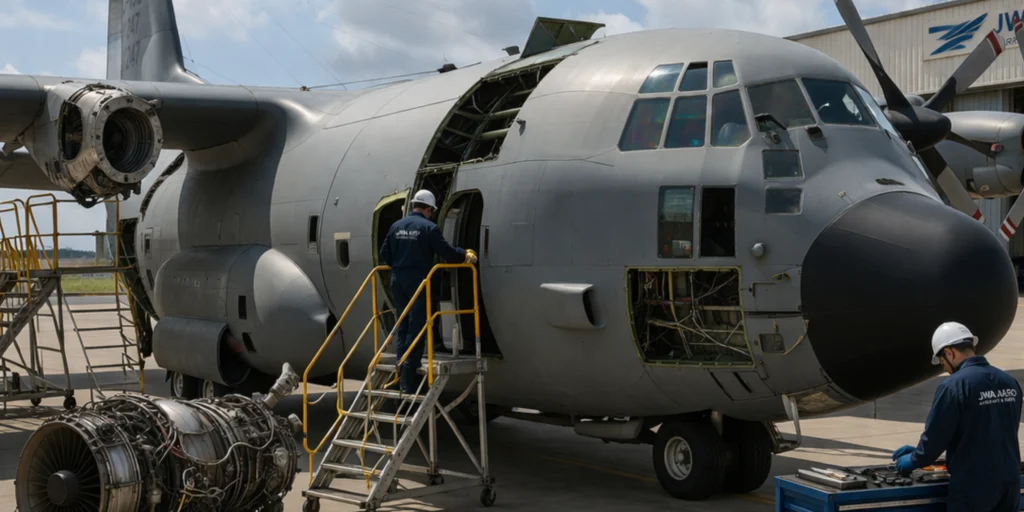
What happens to an aircraft after it reaches the end of its operational life?
Once the valuable components are removed, operators and asset managers face an important question: what happens to the rest of the aircraft?
Leaving a dismantled aircraft occupying space in a hangar is rarely a viable option. Hangar space is expensive, operational areas are limited, and large aircraft structures require careful planning for removal, transportation, or responsible disposal.
At the same time, the disassembly process itself involves much more than simply removing parts. Every recovered component must be carefully documented, preserved, and prepared for future use or distribution.
In other words, managing an aircraft disassembly program means dealing with technical procedures, logistics, operational decisions, and environmental considerations.
Understanding how these projects work is essential for anyone involved in aircraft asset management.
In this article you will learn
• What aircraft disassembly projects involve
• Why planning is critical in these operations
• How aircraft components are recovered and preserved
• The role of logistics and environmental considerations
What Is an Aircraft Disassembly Project?
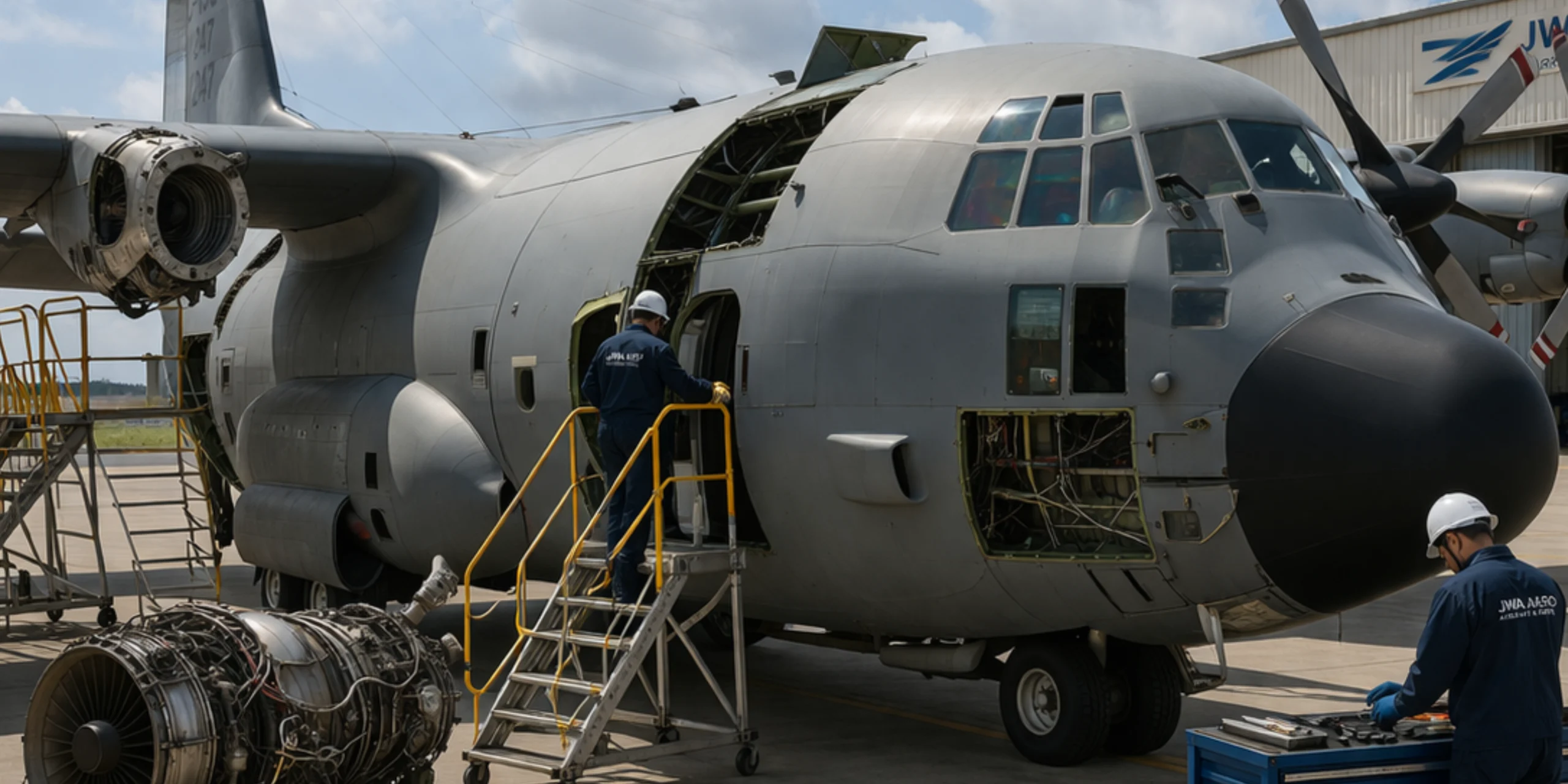
An aircraft disassembly program involves the systematic disassembly of an aircraft in order to recover components that can be reused, sold, or reintegrated into active operations.
It is part of a broader end-of-life aircraft processing strategy, where the objective is not only removing parts, but structuring an efficient asset recovery process.
Unlike a simple part-out or desmantelamento, aircraft disassembly requires careful planning and strict adherence to approved maintenance and operational procedures.
These projects typically involve:
• Identification of recoverable components
• Documentation and traceability of parts
• Component extraction following approved maintenance procedures
• Preservation and packaging of components
• Preparation for storage and distribution
Each step must follow technical procedures that ensure the integrity, traceability, and certification status of the recovered components.
Planning an Aircraft Disassembly Program
Before any physical disassembly begins, a project starts with technical planning.
The objective is to determine:
• Which components will be removed
• How they will be removed safely
• How they will be preserved after removal
• Where those components will be allocated
Aircraft contain thousands of individual parts, each with different operational, certification, and documentation requirements.
Because of this complexity, planning is one of the most critical stages of the disassembly process.
Each project is not standardized; it must adapt to the context.
Each project is tailored to the operator’s objectives, combining technical expertise with operational flexibility to support different aircraft types and asset strategies.
Recovering and Presing Aircraft Components
Once the process begins, components must be removed following strict technical procedures that protect both the part and its documentation history.
Recovered components often include:
• Engines
• Avionics systems
• Structural components
• Landing gear
• Aircraft systems and assemblies
After extraction, these components must be properly preserved and packaged to maintain their operational condition and traceability.
This stage is essential within the asset recovery process, especially when components will be redistributed across different locations.
Logistics Challenges in Aircraft Disassembly
Aircraft disassembly projects are not limited to component extraction.
They involve logistical and operational decisions that affect the entire operation.
For example:
• Transportation of recovered components
• Inventory control systems for tracking parts
• Documentation and traceability management
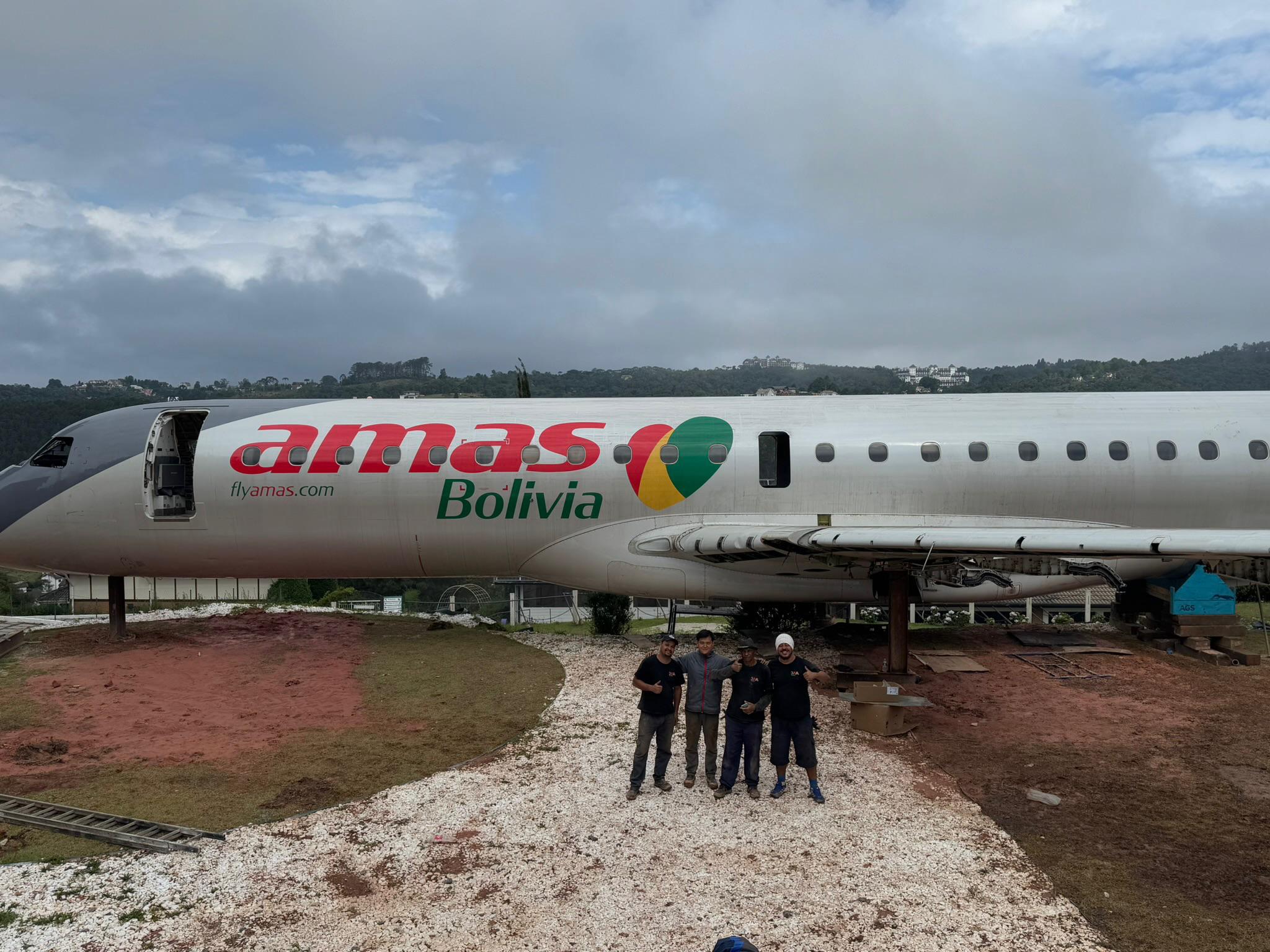
• Handling of remaining aircraft structures
• Multi-location distribution of components
Because aircraft structures are large and complex, managing what remains after disassembly is a critical part of the project.
Leaving structures in operational areas is rarely viable. Responsible solutions must be considered for removal, reuse, or disposal, often involving significant logistical planning and coordination.
This is where specialized teardown providers play a key role, supporting operators not only in component extraction, but throughout the broader asset recovery process and operational decision-making.
Companies like JWA Aero approach these projects by considering the full lifecycle of the operation, from disassembly to logistics, asset allocation, and final destination of remaining structures.
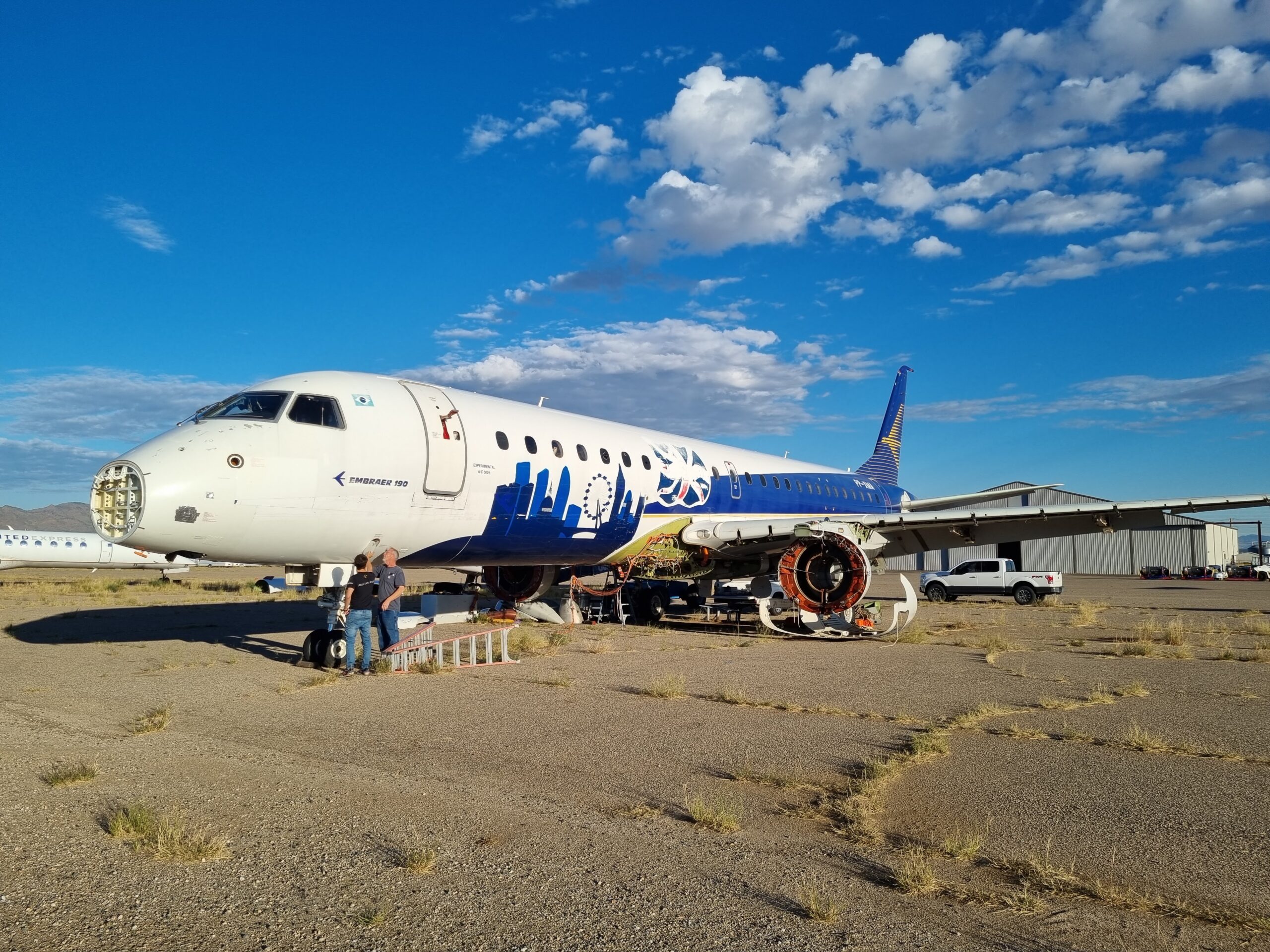
A practical example of this can be seen in the aircraft disassembly project conducted by JWA Aero in partnership with Embraer, where asset recovery, operational planning, and logistics coordination were critical to ensuring an efficient and structured execution.
If you are exploring aircraft disassembly opportunities or looking for certified aircraft components, the JWA Aero team is available to support project evaluation and operational planning.
Environmental Considerations in End-of-Life Aircraft Processing
Environmental responsibility has become increasingly relevant in aviation.
Aircraft disassembly programs must consider how materials and structures are handled after removal.
This includes:
• responsible disposal processes
• potential reuse of materials
• handling of fluids such as fuel, oil, and hydraulic systems
• minimizing contamination risks (soil and water impact)
These elements are now part of modern end-of-life aircraft processing strategies.
Why Aircraft Disassembly Matters
Aircraft disassembly projects play a key role in the aviation ecosystem.
By enabling structured asset recovery processes, they support:
• aircraft maintenance operations
• availability of certified components
• lifecycle management of aviation assets
• global supply chain integration
Properly executed disassembly programs allow valuable components to remain in operation long after the aircraft itself has been retired.
Final Thoughts
Aircraft disassembly projects go far beyond simply removing parts.
They involve technical planning, operational coordination, logistics management, and structured asset recovery.
As the aviation industry evolves, these programs will continue to play a critical role in how aircraft assets are managed, redistributed, and reintegrated into active operations.